Autumn is synonymous with an abundance of delightful produce, signaling the time to embrace cozy sweaters and warm hats. Among the seasonal delights, the persimmon stands out as a favorite. These jewels of the season are only available in the United States from October to February, making them a fleeting treat to savor. Having grown up with persimmons, I am well-acquainted with their nuances, and for those unfamiliar with this delectable and nutritious fruit, I present a comprehensive guide on identifying the two main types, preparing, and savoring them.
Types of Persimmons
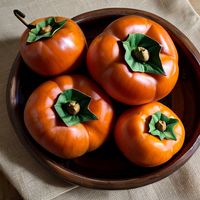
Persimmons, native to both Asia and North America, are celebrated for their unique flavors. The two most prevalent varieties found in the U.S. are Fuyu and Hachiya. Fuyu persimmons boast a flat bottom and a round shape, resembling orange tomatoes. Their skin is crisp and firm when ripe, making them ideal for raw consumption. Maggie Moon, M.S., RD, author of "The MIND Diet: 2nd Edition," who has a Fuyu tree in her backyard, often incorporates them into salads or enjoys them peeled and sliced like apples. On the other hand, Hachiya persimmons are reddish-orange and more elongated with tapered ends. Unlike Fuyu, ripe Hachiya persimmons are soft with thin skin. Unripe Hachiyas are astringent due to tannins, which can make the fruit taste overly bitter. However, once ripe, Moon describes the transformation of the flesh as "akin to a custard, and it’s basically magic."
When selecting persimmons, seek out fruits with smooth, bright orange skin, free from cuts or mushiness. The fruit should feel heavy for its size, and the stem end should emit a subtle sweet aroma. For Fuyu, the skin should be firm, while for Hachiya, it should be soft.
Preparing Persimmons
Persimmons, like any produce, should be rinsed under cold, running water. To prepare Fuyus, remove the leaves and stem and core the fruit. The peel is edible and nutritious, so it's best to leave it on. Slice the fruit as desired; thin slices are perfect for salads or mixed into yogurt or smoothie bowls, while larger wedges can be enjoyed as a snack. Diced Fuyus can also be cooked into a variety of dishes, from curries to baked goods.
Hachiya persimmons, prized for their soft texture and honey-sweet taste, should be allowed to ripen until completely soft. Remove the top leaves, stem, and core, then slice the fruit in half from stem to tip. The flesh can be scooped out and eaten raw or cooked with various spices to create jams, puddings, pies, and even beverages.
Eating Persimmons
For the best experience with Fuyu persimmons, enjoy them raw, such as in salads like the Bitter Greens Salad with Persimmons, Manchego & Hazelnut Vinaigrette. Moon suggests peeling a firm persimmon and slicing it thinly to reveal a beautiful central star shape, which enhances the fruit's delicate floral flavors. Dried persimmons, known as gotgam in Korean, are a pantry staple and play a significant role in honoring ancestors. These can be found year-round in dried fruit mixes and are perfect for a quick, on-the-go snack.
For a ripe, fully softened Hachiya, Moon recommends cutting it in half, scooping out the flesh, and enjoying it directly from the spoon. Alternatively, use it as a topping for pancakes, yogurt, cheese, or lean pork. Hachiyas can also be incorporated into baked goods, adding a subtle earthy sweetness to quick breads and pies.
Health Benefits of Persimmons
Persimmons are not just delicious; they are nutritional powerhouses. Their vibrant orange and red hues indicate the presence of healthful plant compounds. One such compound is persimmon tannin, a polyphenol with antioxidant properties, which may offer anti-inflammatory, antibacterial, and antiviral benefits, according to Vicki Shanta Retelny, RDN, a lifestyle nutrition expert based in Chicago. Persimmons are also high in fiber, providing 6 grams per fruit (170 grams), making them excellent for digestive and heart health. They are a good source of vitamin C, crucial for immunity and gut health, and are rich in vitamin A, which may help improve insulin resistance.
The Bottom Line
Whether you opt for the firm, crisp Fuyus in your salad or the soft, custardy Hachiyas, you're in for a flavorful and nutritious treat. Rich in antioxidants and other nutrients that protect against disease and promote health, persimmons are at their peak from October to February and can be enjoyed both raw and cooked. Try them in your next salsa recipe or bake them into your next loaf of banana bread.
Frequently Asked Questions
Q: When should I eat persimmons for the best flavor?
A: Wait until the fruit is ripe for optimal taste. Fuyu persimmons can be eaten with or without the peel and can be incorporated raw into salads or cooked into various dishes. Hachiya persimmons are best when the inside flesh is super soft, ready to be scooped out and enjoyed like custard or baked into cakes, puddings, and other sweet treats.
Q: Can persimmons be eaten raw?
A: Yes, persimmons can be eaten raw. Regardless of the variety, it's best to consume them when ripe as they will be sweeter and less astringent.
Q: How do I know if a persimmon is ripe?
A: Ripe persimmons are typically bright and vibrant orange to reddish-orange, depending on the variety. Fuyu persimmons are firm with crisp skin, while Hachiya persimmons are soft, with thin skin that yields to gentle pressure.
Q: What is the astringent taste some persimmons have?
A: Some persimmons have high levels of tannins that can taste astringent, causing your mouth to pucker and feel dry and numb. This sensation is temporary and not a cause for concern.
By Emma Thompson/Dec 20, 2024
By Eric Ward/Dec 20, 2024
By Christopher Harris/Dec 20, 2024

By Samuel Cooper/Dec 20, 2024

By Amanda Phillips/Dec 17, 2024
By Grace Cox/Dec 17, 2024
By Victoria Gonzalez/Dec 17, 2024

By Sarah Davis/Dec 13, 2024

By Christopher Harris/Dec 13, 2024
By Elizabeth Taylor/Dec 13, 2024

By Emma Thompson/Dec 13, 2024

By Amanda Phillips/Dec 13, 2024
By Joshua Howard/Dec 13, 2024
By Thomas Roberts/Dec 13, 2024

By Elizabeth Taylor/Dec 13, 2024

By Laura Wilson/Dec 13, 2024

By Joshua Howard/Dec 12, 2024

By Emily Johnson/Dec 12, 2024

By Grace Cox/Dec 12, 2024

By Eric Ward/Dec 10, 2024
